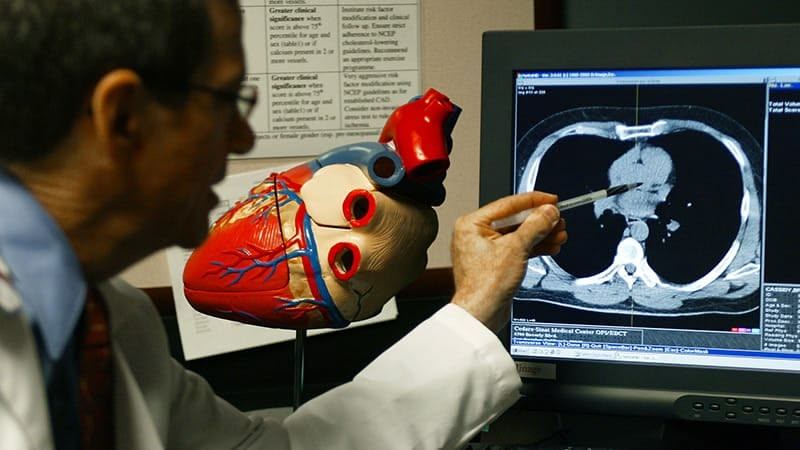
A Cardiac CT for Calcium Scoring at Crystal Radiology is a non-invasive imaging examination that detects and measures calcium deposits in the coronary arteries. The results provide useful information about coronary artery disease (CAD) risk and can help your doctor assess your overall cardiovascular health.
If you have risk factors such as high cholesterol, high blood pressure, diabetes, or a family history of heart disease, your doctor may recommend a coronary calcium score to better understand your risk.
What Is Cardiac CT for Calcium Scoring?
Cardiac CT for calcium scoring is a specialised CT scan that uses X-ray technology to produce detailed images of the heart and coronary arteries.
The coronary arteries are blood vessels responsible for delivering oxygen-rich blood to the heart muscle. Over time, fatty substances, cholesterol, and other materials can accumulate in the artery walls, forming plaque. This process is known as atherosclerosis.
Some plaque deposits gradually become calcified, meaning they contain calcium. A calcium scoring scan identifies and measures these deposits to calculate a coronary artery calcium (CAC) score.
A Cardiac CT for Calcium Scoring at Crystal Radiology helps provide information about:
- Whether calcified plaque is present in the coronary arteries.
- The amount of calcium detected.
- The extent of calcified plaque compared with expected levels for certain age and sex groups.
- Potential cardiovascular risk when considered alongside other health information.
It is important to understand that calcium scoring does not directly measure the degree of artery narrowing or detect every type of plaque. Your doctor interprets the result alongside your medical history and other risk factors.
Why Might Your Doctor Recommend a Calcium Score Scan?
Coronary artery disease can develop over many years. In some people, the condition may not cause obvious symptoms until it becomes more advanced.
Your doctor may recommend a calcium scoring scan if you have certain cardiovascular risk factors and they need additional information to guide your prevention plan.
Common risk factors include:
- High cholesterol: Elevated LDL cholesterol can contribute to plaque formation in the arteries.
- High blood pressure: Long-term hypertension can damage blood vessels and increase cardiovascular risk.
- Diabetes: Diabetes is associated with an increased risk of developing heart and blood vessel disease.
- Family history: Having close relatives who developed heart disease at a young age may increase your risk.
- Smoking: Tobacco use damages blood vessels and increases the likelihood of cardiovascular disease.
- Overweight or obesity: Excess body weight can contribute to high blood pressure, diabetes, and abnormal cholesterol levels.
- Physical inactivity: A sedentary lifestyle can increase the risk of developing cardiovascular conditions.
Your doctor may also consider factors such as age, kidney disease, and certain chronic inflammatory conditions.
Who May Benefit from Cardiac Calcium Scoring?
A calcium score scan is not necessary for everyone. It is generally considered for selected adults who do not have symptoms of coronary artery disease but have a borderline or intermediate estimated cardiovascular risk.
Your doctor may suggest the examination when the result could help clarify whether preventive treatment, such as cholesterol-lowering medication, should be considered.
For example, if your cholesterol levels are elevated but your overall cardiovascular risk is uncertain, the calcium score may provide additional information to support a discussion with your doctor.
A Cardiac CT for Calcium Scoring at Crystal Radiology may therefore form part of a personalised heart health assessment.
People experiencing chest pain, shortness of breath, or other possible symptoms of heart disease may require different investigations. A calcium scoring scan is not a substitute for urgent assessment or diagnostic testing when symptoms are present.
Do You Need to Prepare for the Scan?
Preparation is usually simple, but follow the instructions provided by your imaging clinic.
Before attending, you may be advised to:
- Avoid caffeine for a period before the examination, if instructed.
- Wear comfortable clothing.
- Remove jewellery or metal objects when requested.
- Inform the imaging team if you are pregnant or think you may be pregnant.
- Bring your referral and Medicare details, where applicable.
Always check with the clinic if you are unsure about preparation requirements.
Is Cardiac CT Calcium Scoring Safe?
Calcium scoring uses a low-dose CT technique, but it does involve exposure to ionising radiation. The scan is performed when the expected benefit of the information is considered worthwhile.
No contrast injection is normally required for a standard coronary calcium scoring examination, which avoids the risks associated with contrast material.
The imaging team follows appropriate procedures to manage radiation exposure. Tell your healthcare professional if you are pregnant or may be pregnant before undergoing the scan.
Book Your Cardiac CT for Calcium Scoring at Crystal Radiology
Taking steps to understand your cardiovascular health can help you make informed decisions about your future wellbeing.
A Cardiac CT for Calcium Scoring at Crystal Radiology provides information about calcified plaque in the coronary arteries and can help your doctor assess your risk of coronary artery disease.
If your doctor has recommended a calcium scoring examination, contact Crystal Radiology to enquire about the scan, referral requirements, and appointment availability.
Please ensure that you have your Medicare card and referral with you and pop into our location for your consultation. If you have any questions at all, please feel free to contact us at (02) 8315 8292 as we are here to help.
Additional Recommendation
“This information is general in nature and does not replace medical advice. Suitability for procedures should be discussed with your referring doctor or specialist.